
AI Engineering · New Zealand
A LangGraph Platform for AI-Powered Location Intelligence
We built five production AI workflows on a unified LangGraph + Gemini stack, improving speed with early-return results and URL-level caching. The system supports resumable conversations, enforces governance within AI nodes, uses optimized multi-layer storage, and ensures reliability through schema-validated outputs—all accelerated by reusing Reach’s existing AI framework.
Discuss Your AI Project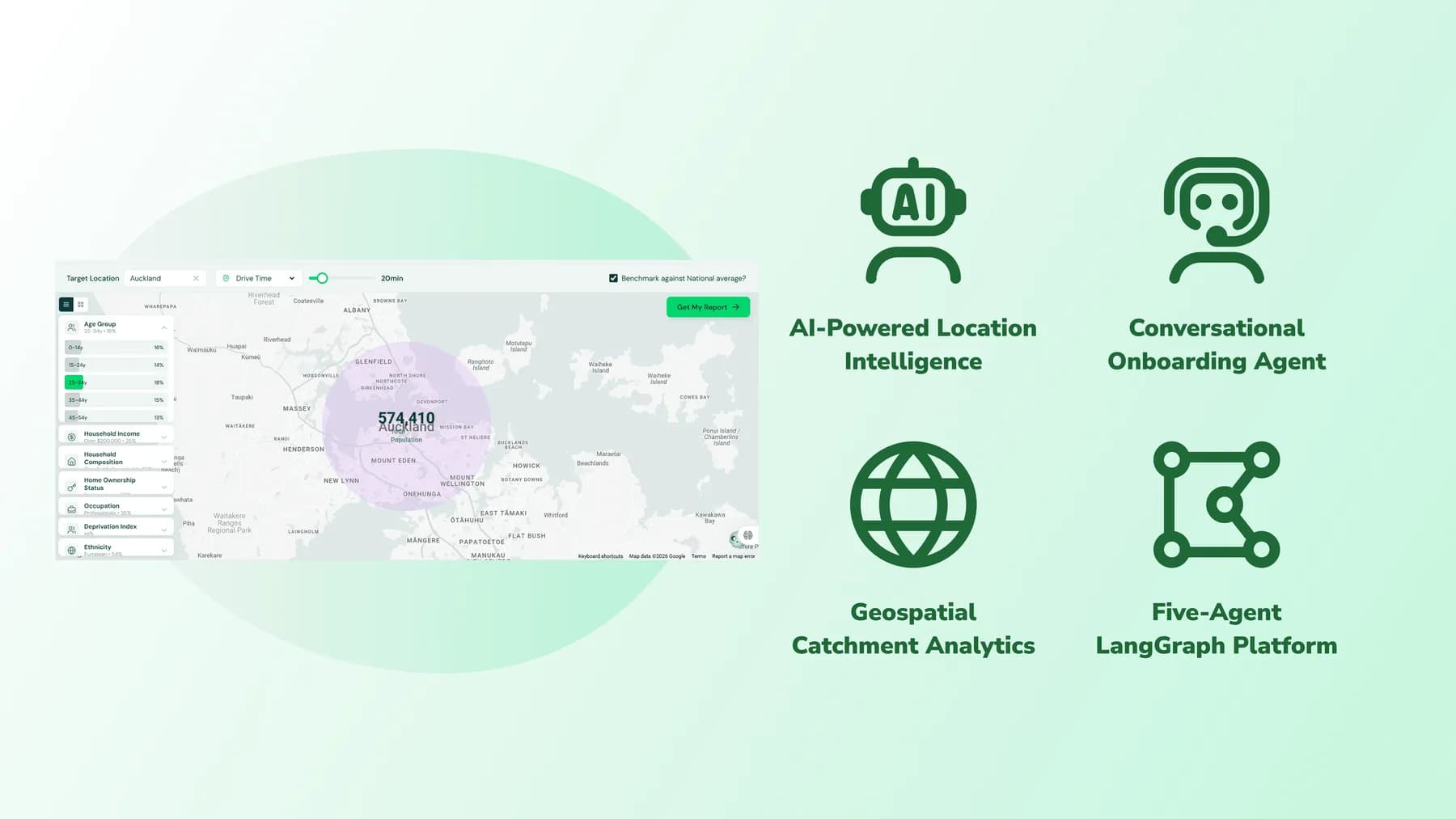
Client Overview
About Our Client
A New Zealand-based market intelligence platform serving real estate businesses, retail chains, investors, franchise owners, and marketing consultants. Users range from open (anonymous) to fully authenticated accounts; the platform supports both first-time exploration and saved-analysis workflows.
- Industry
- Marketing
Tech Stack
- LangGraph
- Pinecone
- LangSmith
- FastAPI + Uvicorn
- Python 3.12 & more.
Results
Five distinct AI agentic flows in production, all on a unified LangGraph + Gemini stack.
Perceived latency reduced via early-return pattern: users see scrape results before deep enrichment finishes.
URL-level caching prevents redundant scrapes for known businesses across multiple analyses.
WebSocket conversations resumable across reconnects and server restarts via Postgres-backed checkpoints.
NZ-only governance enforced inside the AI nodes, not as fragile post-processing filters.
Three-tier storage (PostgreSQL / PostGIS / Pinecone) — each access pattern uses the store best suited.
Schema-validated outputs at the model layer eliminate free-form JSON parsing failures in production.
Core Solution
Five LangGraph AI agentic flows, each isolated
We built five separate AI workflows on LangGraph: a core business intelligence pipeline that researches and enriches data with early-return results and background processing, an onboarding chat that combines guided flows with structured LLM outputs, a post-analysis chat grounded in stored results and streamed in real time, a Gemini-powered target market mapper with caching, and a reporting flow that generates summaries with reliable fallbacks.
Nine backend domains in strict 4-layer DDD architecture
(Routes / Controllers / Services / Repository): auth, user, analysis, business_intelligence, welcome_conversation, catchment_analysis, target_market, report, analysis_conversation. Controllers know nothing about SQL; services know nothing about HTTP. Each layer independently testable
Three-tier storage optimized per access pattern:
PostgreSQL 17 for transactional and LangGraph checkpointer state. PostGIS for geospatial, Pinecone for vector retrieval (business narratives, audience segments, geo summaries — chunked and embedded per analysis namespace).
Reliability patterns
structured-output validation everywhere; NZ-clamp safety filter embedded at the node level; LLM fallbacks on missing API key or invocation failure; non-fatal partial-pipeline persistence; background-task pattern for long-running enrichment that outlives the originating HTTP request.
More Case Studies
 AI Engineering · India
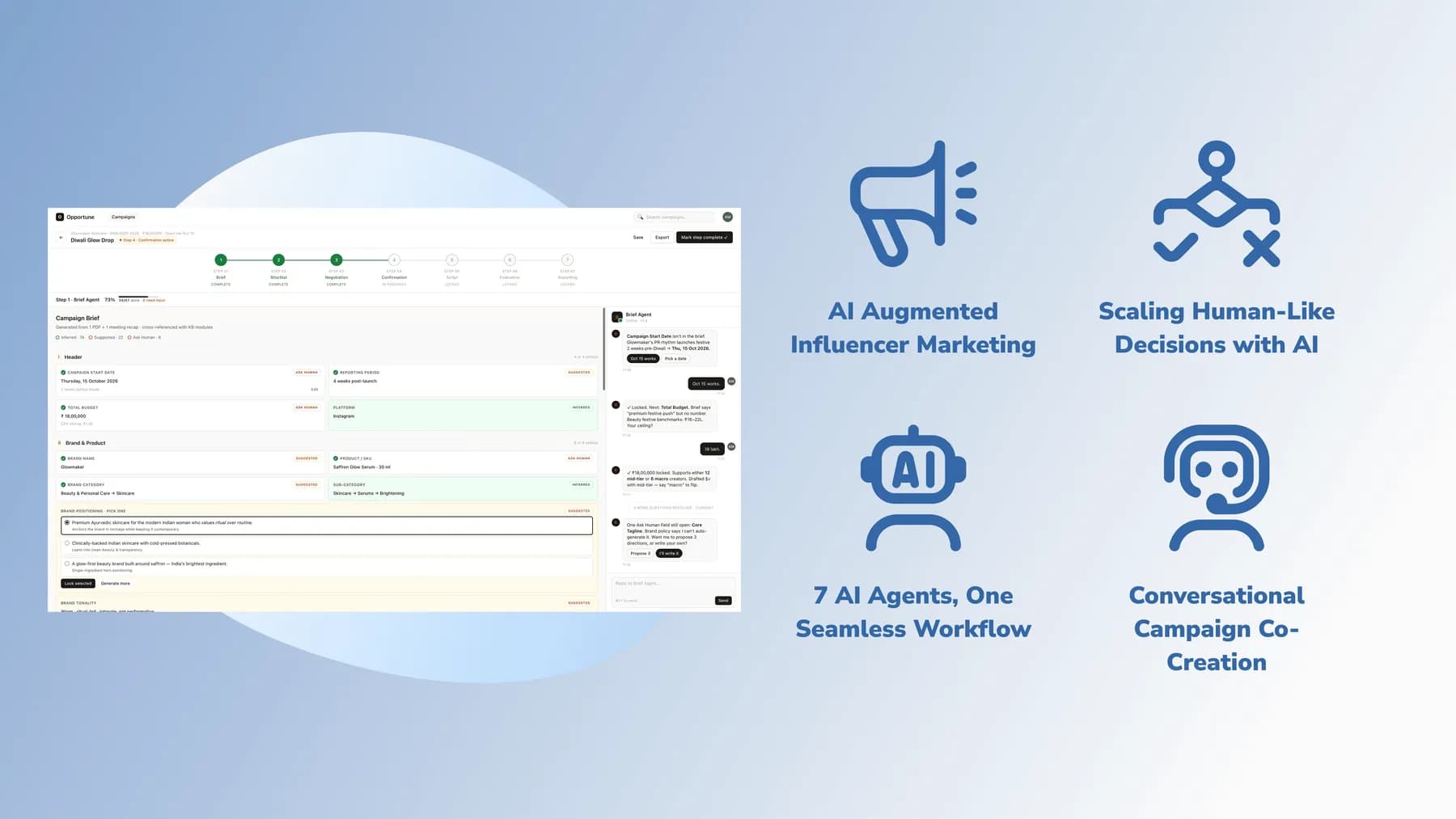
Multi Agents Platform for Influencer Marketing Agency
AdvertisingWe built a system that shifts automation from rule-based logic to AI agents capable of handling subjective decisions, combining LangGraph orchestration, Claude models, and vector memory to not just automate workflows, but scale human judgment.Read the Full Case Study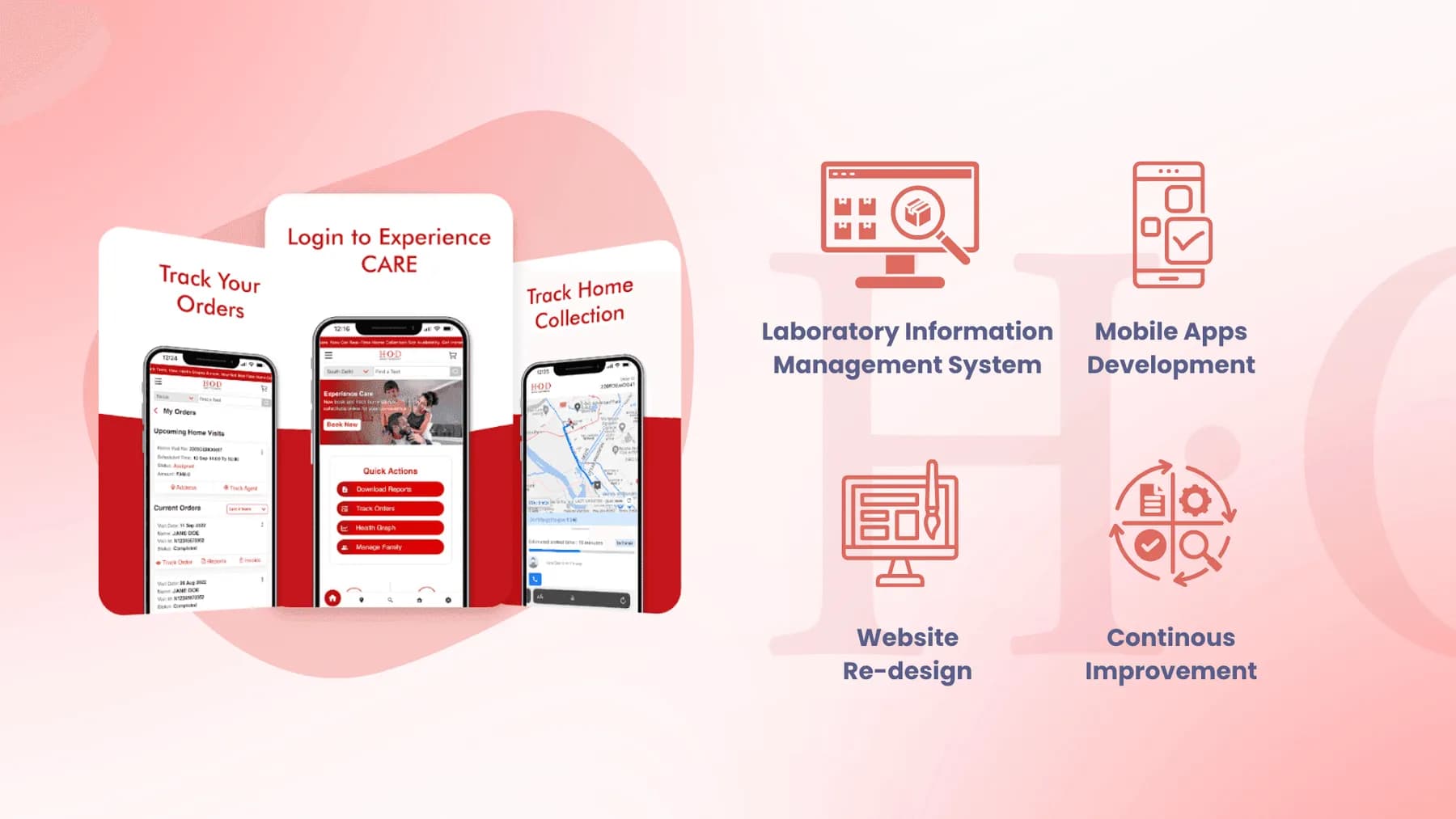 Software Engineering · India
AI Integration for Diagnostics Services Provider
HealthcareBigStep Technologies transformed the online and mobile presence of a leading diagnostics services provider in the healthcare industry by developing a new website and mobile applications, enhancing user experience and operational efficiency.Read the Full Case Study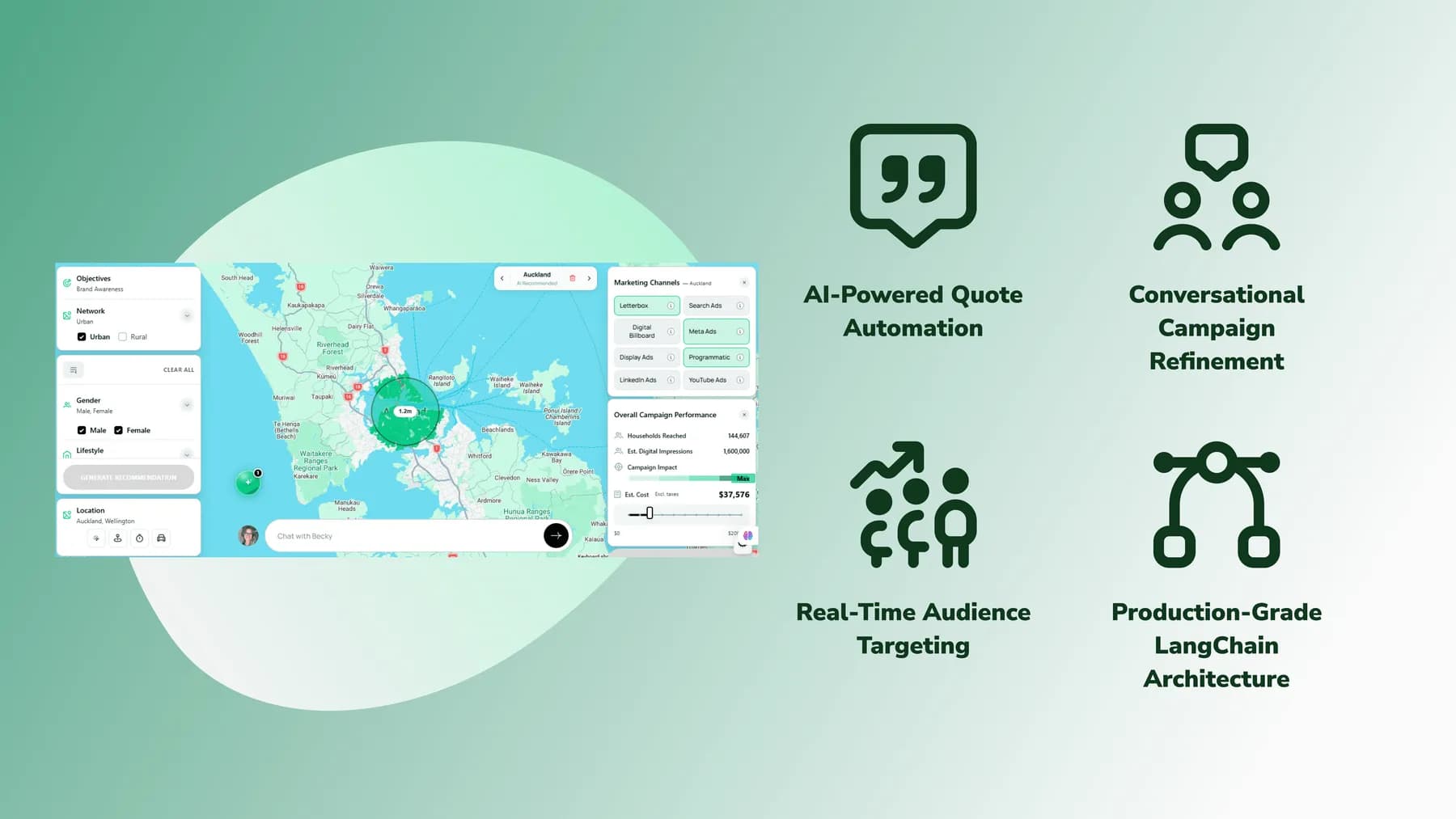 AI Engineering · New Zealand
Building an AI Agent for advertisement Targeting & Campaign Planning
AdvertisementWe built a system that combines a fast 5-step LangGraph pipeline with a real-time conversational agent to turn raw inputs into structured, cached recommendations and let users refine them via chat. It uses layered memory, tool-driven updates, and strong validation with caching to ensure reliable, efficient results.Read the Full Case Study
Let’s Explore How We Can Build Together
Whether you’re building a new product or modernizing an existing one, get insights from our product, engineering, and AI experts.