

BigStep's Software Engineering practice brings 18 years of production experience to the way software is built with AI today.
We build product software, help your engineering team make better use of AI, and design interfaces that make AI features easier for people to understand and trust. AI is changing how software gets built, and we help you put that change to work.
Teams We've Built For








































- Valcre
What We Do
Three ways to build and improve software, all within one practice.
Software & Application Development
Product software that is built AI-native from the first commit.
Know More about Software & Application DevelopmentAI-Native SDLC Transformation
We teach your engineers to work the way ours do.
Know More about AI-Native SDLC TransformationAI Experience Design
The only interface layer that decides whether anyone trusts the AI.
Know More about AI Experience Design
How do you know which service you need?
If you are building new software, improving how your team builds it, or trying to get people to use an AI feature, the next question is where you need help.
That is where the Software Engineering practice by BigStep comes in. Some clients need us to build the product, while others already have a team but need to change how they work with AI. Others have AI features in production but are finding that users are not adopting them.
Here is what we recommend:
- If you need software built and do not have the team to build it yet, we recommend you to start with our Software & Application Development offering
- If you already have a team but need to change how they build software with AI, start with AI-Native SDLC Transformation.
- If you have an AI feature that is live but people are not using it as expected, AI Experience Design is the right offering that you should explore with us.
You are probably here because one of these is true
Most engineering teams have adopted AI coding tools without changing how they work.
The tools are there, but the way software gets built has stayed much the same, which stops teams from seeing the productivity gains they expected.
Many of the companies we work with already have engineering teams and AI tools in place. What they need is either more capacity to build, a better way for their team to work with AI, or a better way to make sure the AI features they build actually get used.
We need a product built and we do not have the team to build it.
We bought everyone Claude / Codex licences and our delivery speed looks about the same.
The board is asking why engineering output has not increased, and I do not have a good answer.
We shipped the AI feature and almost nobody uses it.
The thinking that you need to do next
If any of the above holds true, you need to look at where the gap is. You may need the team to build the product, a better way for your engineers to work with AI, or a better interface for the AI you have already built.
A build engagement gives your team a real codebase to work with, which also gives us a practical place to change how the team builds. A team that ships faster still needs people to use what it builds, so AI experience design needs to be part of the work rather than something added later.
- Claude Code
- Cursor
- GitHub Copilot
- DORA
- React & React Native
- Next.js
- Django
- GraphQL
- Figma
How we work with your team
In this practice the deliverable is partly your own team and partly the work that gets delivered by the team. Here is exactly what that looks like from inside your engineering org.
Named engineers
The engineers you meet are the engineers who will work on your build. Before you commit, you get their names and public work, and you can decide if they are the right fit. Those are the same people you work with from week one through the end of the engagement.
Time zone friendliness
Our engineers work in your timezone and are available during your working hours for ease of working. They will work around your standups, sprint cycles, and tools, so they fit naturally into the way that your team already works.
Your repo, your standards
Code goes into your repository and runs through your CI, so you own it from the first commit rather than at handover. On an SDLC engagement, we work inside your tooling, follow your standards, and use your existing review process.
AI-generated code, governed
Any code contributed by an AI tool during the engagement is reviewed twice, first by a named BigStep engineer before the pull request is opened, and then by your own engineers as part of your review process. The audit trail stays with you, and licence and provenance scanning for AI-generated code is standard.
Compare pricing in real-time. Free of cost.
Your team can pull its own DORA numbers — deployment frequency, lead time for change, change failure rate, time to restore. What those 4 numbers cannot tell you is how they compare to a team that has already made the AI transition, or which of the four will move first if you do. That comes from having run it.
Send us 4 numbers. You get back your baseline, the benchmark, and the single change that moves the most for a team shaped like yours — in writing.
The clock
Back within 3 working days, and we can be on a call inside a week.
The honest line
Sometimes the answer is that your delivery is already close to the benchmark and the real constraint is somewhere else entirely — product decisions, review load, or a codebase no tool can read yet. We will tell you that.
No-judgement line
This measures the system your engineers work in, not the engineers.
Safe intake
4 aggregate numbers is the whole of it. No access to your source code, your CI or your repositories — there is nothing for your security team to review, because there is nothing to connect. A mutual NDA and a data processing agreement are signed before anything moves.
What the Work Looks Like
Three projects from the services above, with the problem each one started from and what changed.
 Software Engineering · India
Jio Media Stack
Jio · Digital CommunicationWe developed a bespoke Video Calling SDK for a leading communication technology client, eliminating third-party dependencies and enhancing control over their infrastructure in the digital communication industry.Read the Full Case Study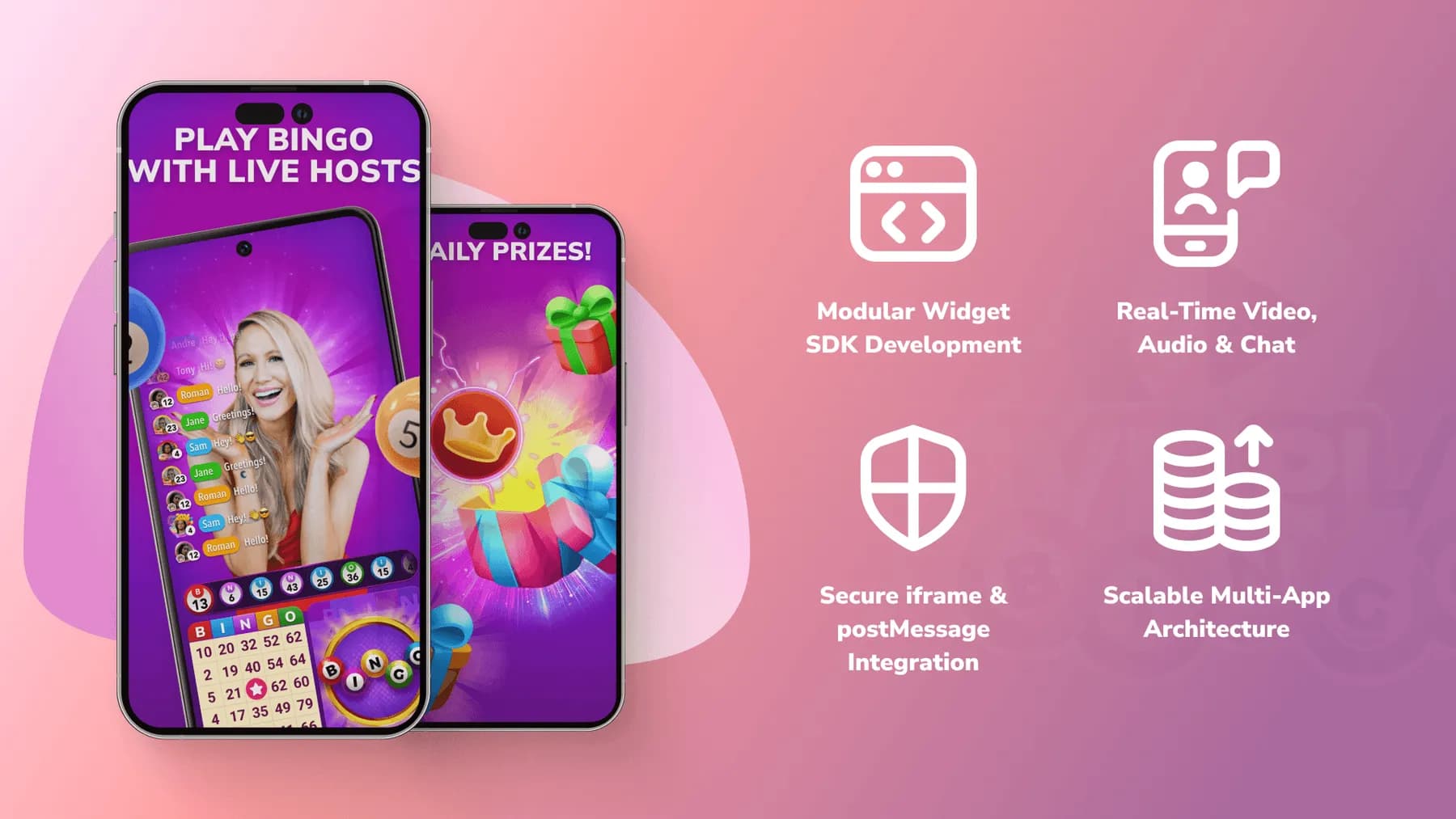 Software Engineering · India
Developed a Live Video Shopping Platform for Channelize.io
Channelize.io · E‑commerceWe developed an effective Sales and Marketing Tool for the client that flipped the notion of traditional, stagnant online shopping and re-invented it through Live Selling and Real-time Engagement.Read the Full Case Study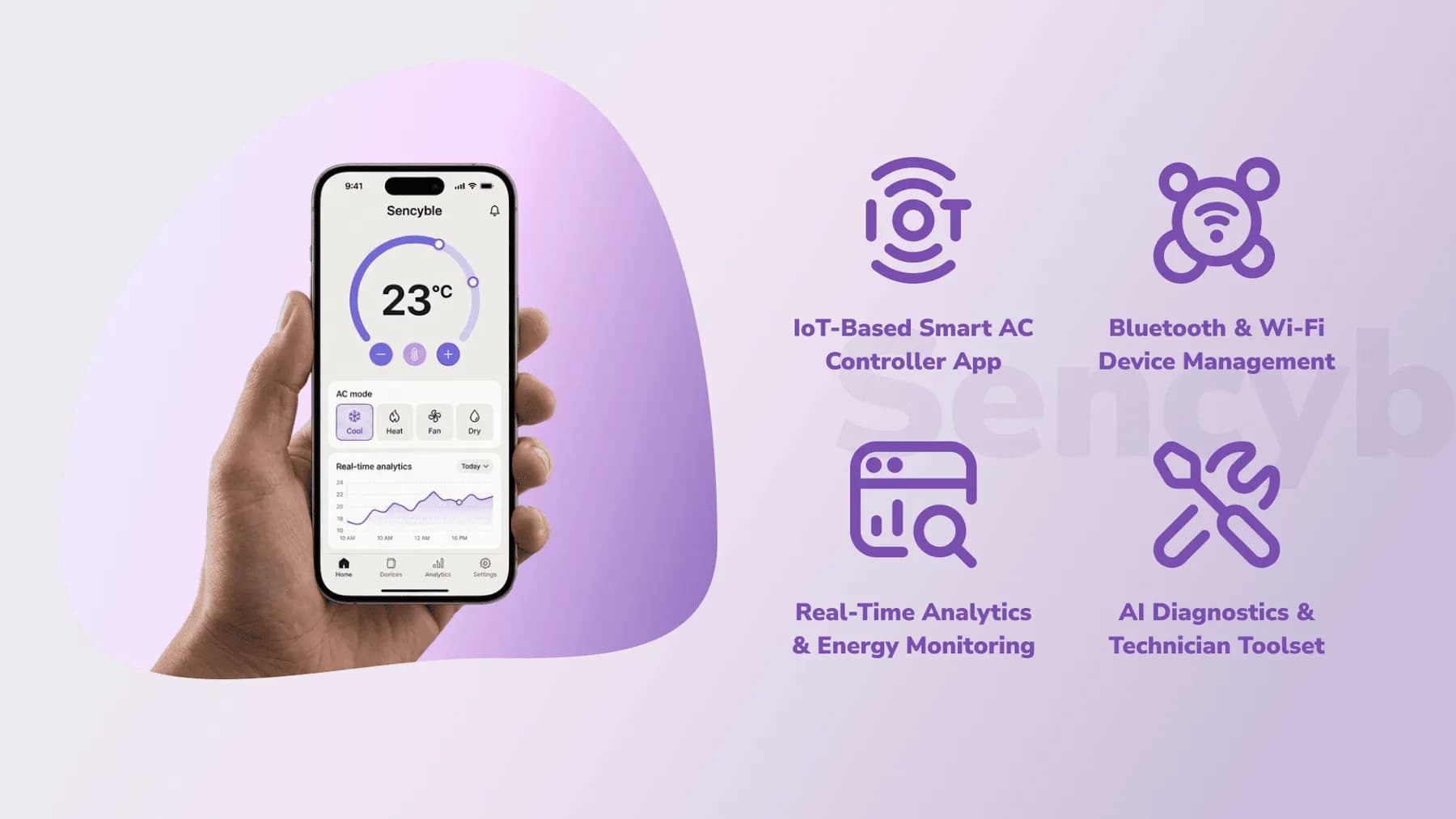 Software Engineering · India
Smart AC Control Stack
HVAC, Smart Home / IoTWe built a cross‑platform smart AC controller app that connects units over Bluetooth and Wi‑Fi, enabling remote control, real‑time analytics, diagnostics, and technician tools through a secure, IoT‑ready architecture powered by React Native and MQTT.Read the Full Case Study
Fair questions
Book a Free SessionBuilding software is a team working on your product directly, writing code that ships as your application. Changing how your team builds software is a different engagement entirely: it's about the process, tools, and standards your own engineers use day to day, not the product itself. A team can need either one on its own, or both at once if the product and the way it gets built both need to change. BigStep offers both under one practice: Software & Application Development for the former, AI-native from the first commit, and AI-Native SDLC Transformation for the latter, teaching your engineers to work the way BigStep's own team does.
Shipping a working AI feature and getting people to actually trust and adopt it are two separate problems, and a lot of teams solve the first without ever addressing the second. Most AI features that go unused aren't broken, they just never earned the user's trust through the interface. BigStep's AI Experience Design offering exists specifically for this gap, starting with an AI Experience Audit: a prioritised report on why adoption is low and what to change first.
Twice. Any code an AI tool contributes during an engagement is reviewed first by a named BigStep engineer before the pull request is even opened, then again by your own engineers through your normal review process. The audit trail stays with you, and licence and provenance scanning for AI-generated code is standard, not an add-on.
The four standard DORA metrics, deployment frequency, lead time for change, change failure rate, and time to restore, give you a baseline, but a spreadsheet of your own numbers can't tell you how they compare to a team that's already made the AI transition, or which one would move first if you did. BigStep runs this comparison for free: send over those four numbers under a mutual NDA, with no access needed to your source code or repositories, and you get back your baseline, the benchmark, and the single change most likely to move the needle for a team shaped like yours, in writing, within a few working days.
Not always, a lot of firms sell an AI transformation framework they haven't actually tested on anything harder than a demo. BigStep ran its own DORA baseline first, then mandated Claude Code and Cursor across its own engineers, then did the part that actually moves the numbers: changing how the work gets done around those tools, not just handing out licences. That was run across multiple repositories and 100-plus engineers, on client systems with up to 18 years of legacy history in mixed stacks, a harder environment to shift than a clean demo codebase, and the numbers behind it are BigStep's own, so they can be published.
It depends on where the actual gap is, not every AI-native transformation needs to start from zero. If there's no product or team to build it yet, that calls for a full build from scratch. If a codebase and team already exist but aren't working with AI the way they could be, that's a transformation applied to what's already there. BigStep offers both: a 0-to-1 Product Build for the first case, and AI-Native SDLC Transformation for the second, which runs against your real, existing codebase rather than asking you to start over.
Let's have a conversation
90 minutes with a senior engineer and an engineering leader who has run this transformation, on your actual delivery process. Not a discovery call, not a demo. You leave with an honest read on where your delivery is losing time, which part of it AI can genuinely change, which part it cannot, and a two-page written summary.