
Artificial Intelligence has already proven its ability to automate, accelerate, and scale business processes. From chatbots to recommendation engines, AI is powering the digital economy. But here’s the truth: **AI without context is incomplete.**
At BigStep Technologies, we believe that context in AI-first engineering is what separates basic automation from truly intelligent, human-like systems. Context-aware AI doesn’t just process data—it understands intent, adapts to situations, and delivers outcomes that feel natural and valuable to users.
The Evolution of AI-First Engineering
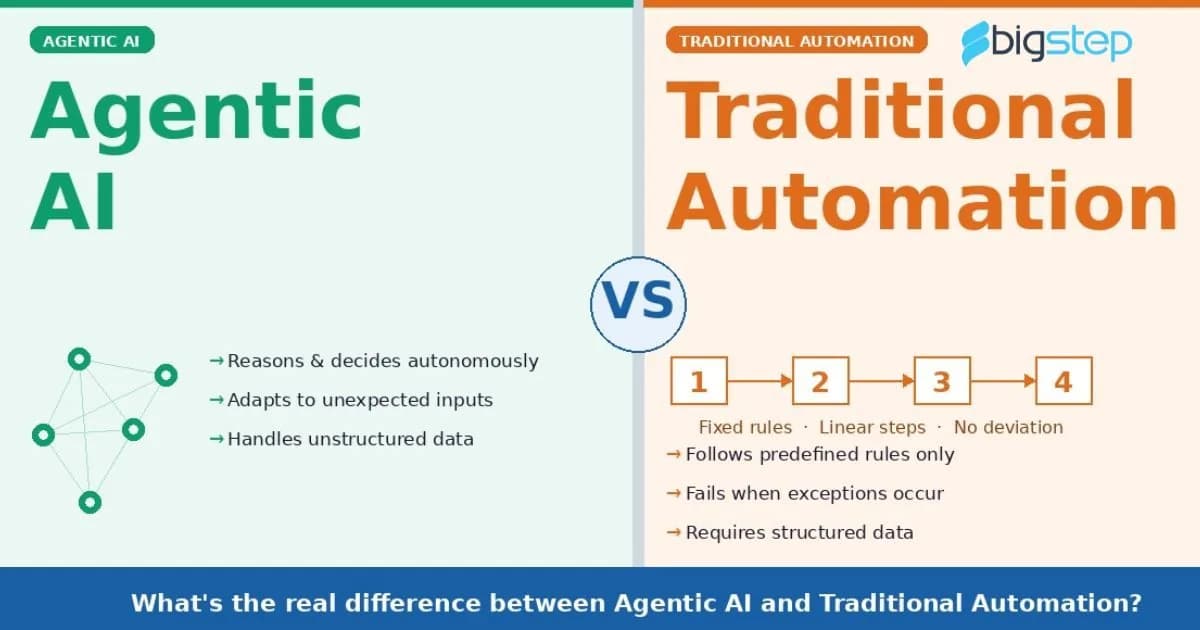
AI-first engineering means designing products with AI as the foundation, not just an add-on. Traditional software solves predefined problems, while AI-first systems learn, adapt, and improve.
But as AI systems become central to products, contextual intelligence is the differentiator.
- Without it: AI might misinterpret user needs, provide generic responses, or miss insights.
- With it: AI becomes proactive, personalized, and aligned with business goals.
source: Link.
What Does Context in AI-First Engineering Mean?
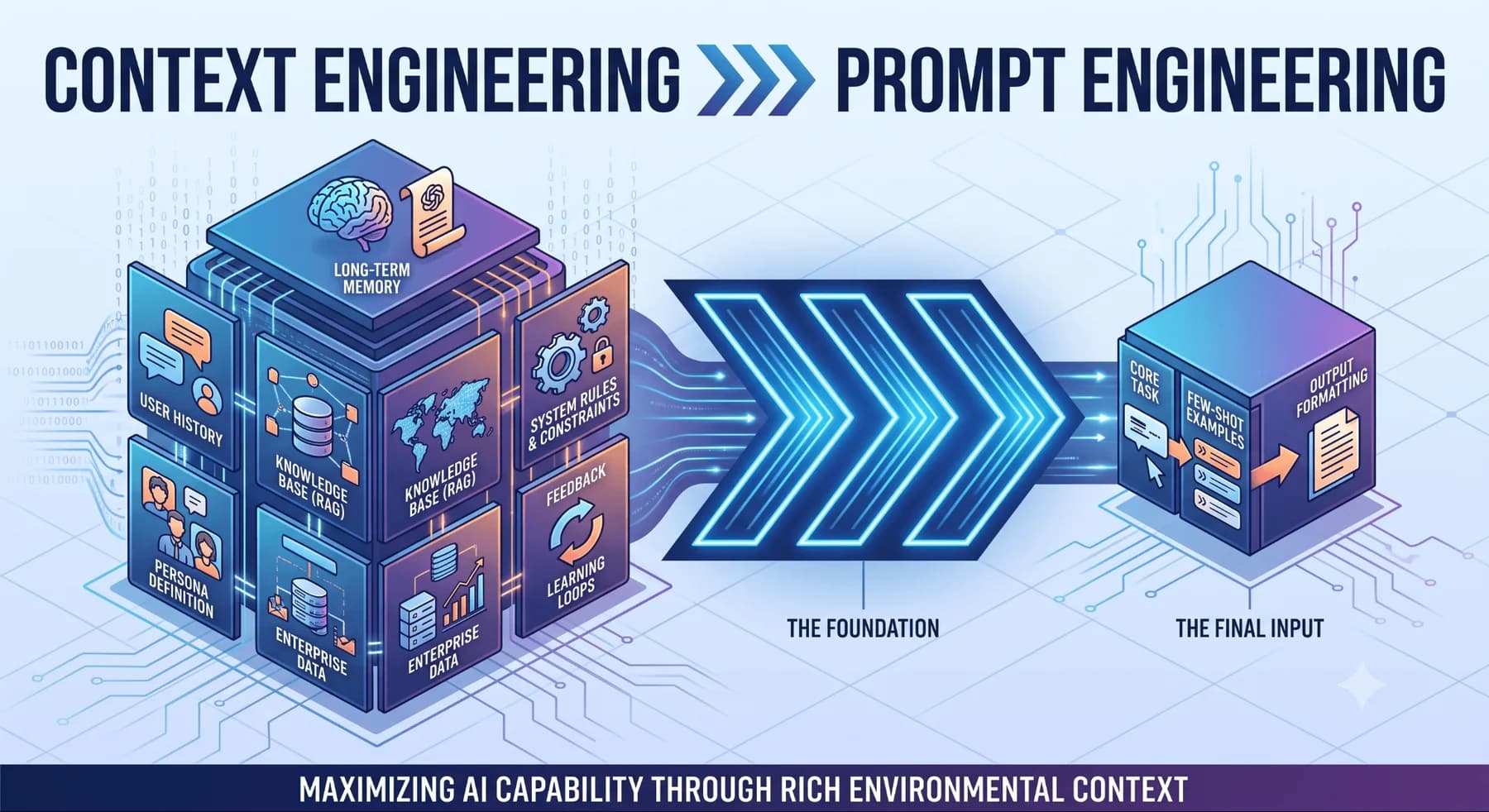
Context extends beyond raw input and includes:
- User preferences, history, and behavior
- Environmental factors (time, location)
- Domain-specific rules
- Conversational cues
Embedding these layers enables products to deliver accurate, relevant, and human-centric decisions—ensuring intelligence feels natural and adaptive.
Why Context is the Differentiator
- Without context → AI interactions remain transactional.
- With context → They become transformational.
Benefits of context in AI-first engineering:
- Drives personalization
- Enhances accuracy
- Ensures continuity across touchpoints
- Builds trust
How BigStep Embeds Context in AI-First Product Engineering
At BigStep Technologies, context is central:
- Memory for continuity
- Domain-aware knowledge with RAG
- Multi-modal inputs for richer insights
- Real-time adaptation
- Ethical governance
This enables scalable, adaptive, and differentiated AI-first products tailored to enterprise needs.
Enterprise Benefits of Context-Aware AI
- Higher Customer Satisfaction – Human-like, personalized experiences.
- Better Decision-Making – Domain-specific intelligence reduces risks.
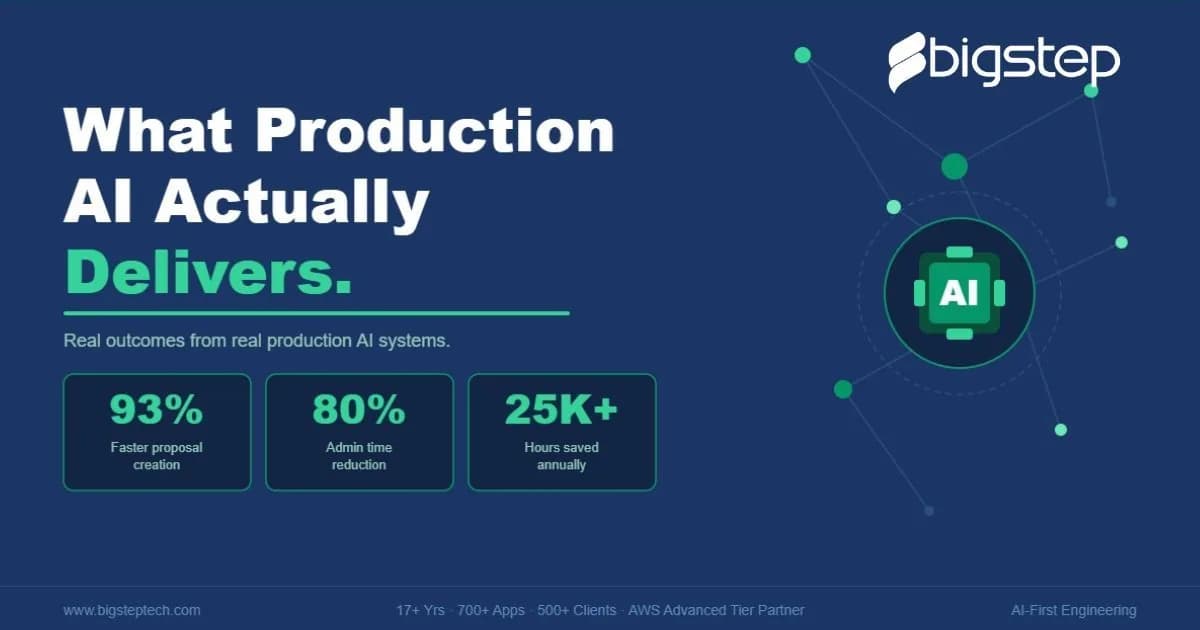
- Operational Efficiency – Automates workflows with precision and adaptability.
- Scalability – Handles millions of contextual interactions effortlessly.
- Competitive Advantage – Differentiates products in crowded markets.
Real-World Use Cases
- Banking & Finance: AI advisors that remember history and tailor recommendations.
- Healthcare: Virtual assistants that adapt to patient history and compliance.
- Retail: Personalized shopping experiences powered by behavioral + contextual data.
- Enterprise IT: AI copilots offering relevant guidance based on system state and user role.
- Travel & Hospitality: Multilingual assistants with time, location, and intent awareness.
The Future of Context in AI-First Engineering
Tomorrow’s AI-first products won’t just respond—they’ll anticipate needs, learn continuously, and evolve in context.
Key enablers:
- Multi-modal inputs
- Agentic AI
- Ethical intelligence
At BigStep Technologies, we’re building context-aware, enterprise-ready AI solutions that act less like tools and more like intelligent collaborators.
Conclusion
AI is powerful, but context makes it human-like, trustworthy, and impactful. In AI-first product engineering, context isn’t a feature—it’s the differentiator that defines success.
📩 Ready to build context-aware, AI-first products for your enterprise? Connect with bigsteptech.com/contact-us today and explore how we can transform your AI journey.
FAQs - AI-First Product Engineering
1. What is AI-first product engineering? It’s designing products with AI at the core, not as an add-on.
2. Why is context in AI-first engineering important? It makes AI systems personalized, accurate, and human-like.
3. Which industries need contextual AI most? Finance, healthcare, retail, IT, and travel.
4. Does BigStep provide domain-specific contextual AI? Yes, we specialize in RAG-powered, fine-tuned AI for industries.
5. Can context-aware AI scale for enterprises? Absolutely—our systems handle thousands of contextual interactions seamlessly.